PICKI FIED .
Research-Based Product Reviews for Smarter Buying
Independent & Reader-Supported

Best Air Purifier for VOCs & Formaldehyde Removal in 2027

PI
PICKIFIED Editorial Team
•
Last Updated: November 20, 2026
•
Research-Based Review
Best Air Purifier for VOCs & Formaldehyde Removal in 2027

Purpose of This Product

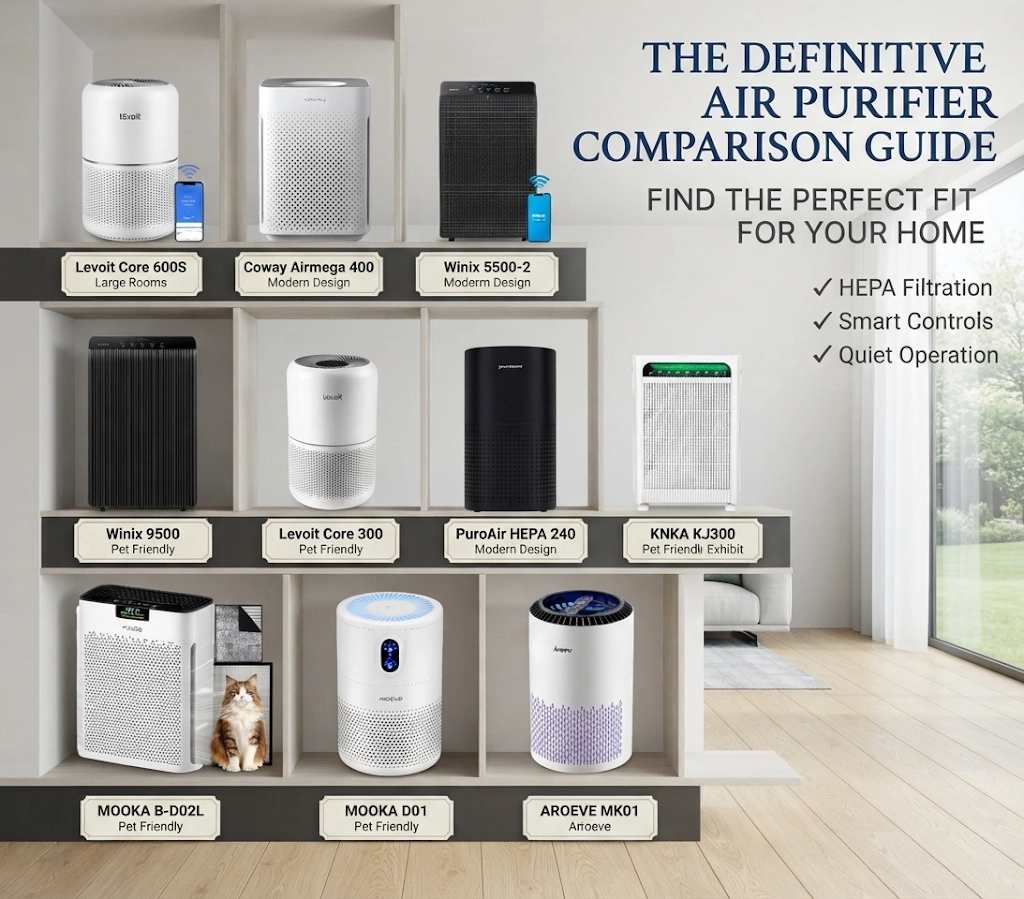
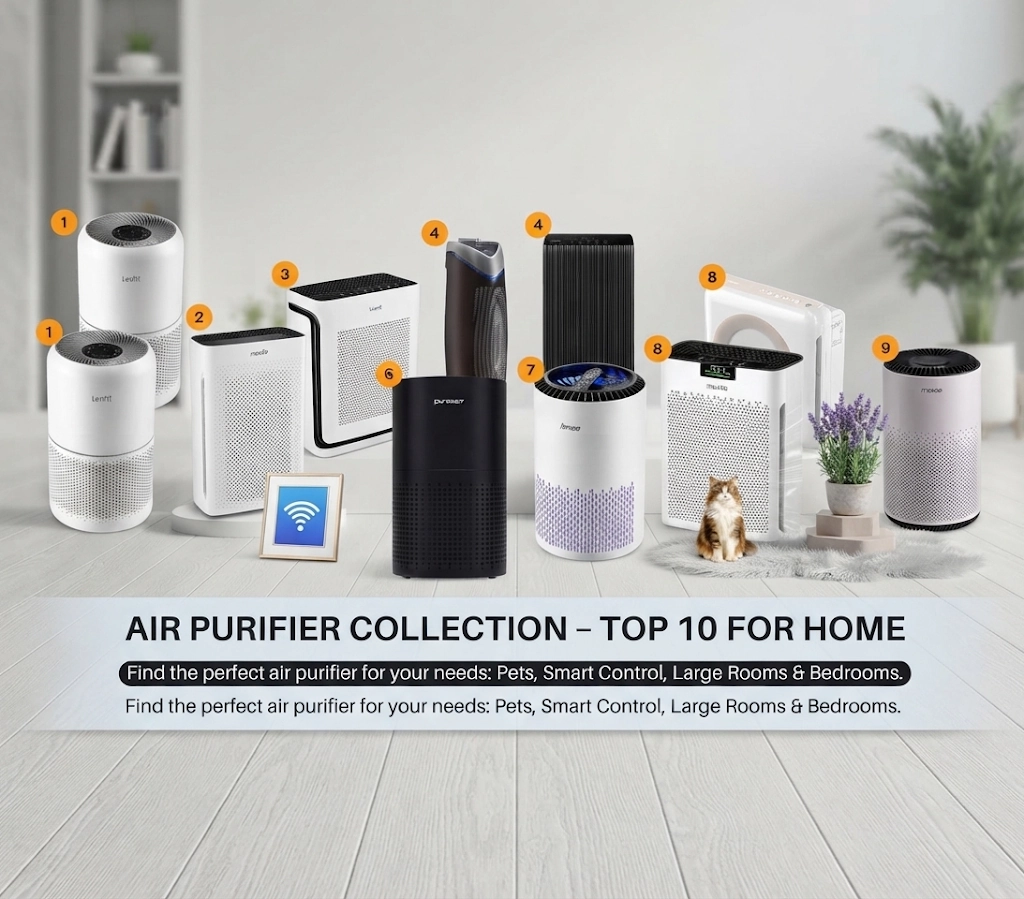
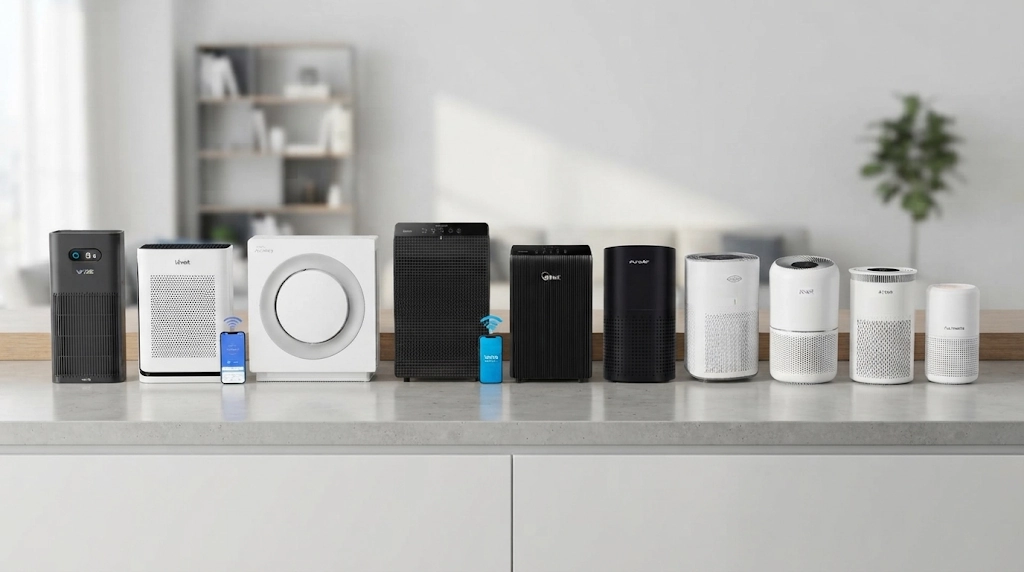
If you have recently remodeled, bought new flat-pack cabinetry, applied fresh paint, or unpacked a memory foam mattress, you have likely encountered that distinct chemical odor. Finding the best air purifier for VOCs & formaldehyde removal in 2027 requires looking past traditional particulate filters. While standard HEPA media captures dust, pet dander, and smoke particles, gaseous chemical emissions slip right through mechanical fibers without batting an eye. Addressing chemical off-gassing demands specialized gas-phase adsorption—primarily dense activated carbon beds and chemical catalysts. Our top overall pick for dedicated chemical off-gassing is the Wyze Smart Air Purifier equipped with its Manganese Dioxide (MnO₂) Premium Formaldehyde filter, which actively breaks down aldehydes. For larger open living spaces needing robust pelleted carbon airflow, the Levoit Vital 200S-P delivers exceptional balance and gas dwell time. Quick Recommendations

  • Best Overall for Formaldehyde: Wyze Smart Air Purifier (with Premium Formaldehyde Filter)
  • Best for Open Spaces & Pet Households: Levoit Vital 200S-P Smart Air Purifier
  • Best Heavy-Duty Particulate & Odor Balance: Coway Airmega Mighty2 (AP-1512N)
  • Best Dual-Tech Odor Breakdown: Winix 5520 / 5510 with PlasmaWave
  • Best Compact / Desk Budget Option: Levoit Core 300-P (Upgradable with Toxin Absorber Filter)


Most consumer buying guides lump airborne dust and volatile chemicals into the same bucket. That is a critical mistake. This guide evaluates air cleaners specifically on how they handle gas-phase contaminants: volatile organic compounds (VOCs) such as benzene, toluene, and ethylene glycol, as well as notorious indoor aldehydes like formaldehyde. We evaluate filter architecture, physical carbon configuration, airflow dwell time, and real-world ownership hurdles so you can invest in a solution that genuinely addresses chemical fumes.

Why You Can Trust This Guide

Pickified does not publish generic spec-sheet roundups or fabricated laboratory tests. Our evaluations are built on meticulous technical audits of manufacturer service documentation, AHAM Clean Air Delivery Rate (CADR) verifications, IEST filter test standards, and aggregated feedback patterns from verified long-term owners living in newly renovated or chemically sensitive households. We do not claim hands-on testing. Instead, we analyze mechanical engineering data and real-world durability to present an unbiased, hype-free verdict.

Who This Guide Is For

This guide is tailored for homeowners and renters dealing with:

  • Off-gassing from engineered hardwood, laminate flooring, MDF cabinetry, or fresh drywall.
  • New furniture, synthetic carpets, foam mattresses, or recent interior repainting.
  • Heightened chemical sensitivities (Multiple Chemical Sensitivity) and respiratory irritation triggered by household cleaners or perfumes.
  • Wildfire smoke and urban smog containing complex organic vapor mixtures alongside microscopic soot.

How We Researched and Compared Products

According to the U.S. Environmental Protection Agency (EPA), indoor concentrations of volatile organic compounds are consistently up to ten times higher than outdoor levels. Furthermore, the EPA points out in its Guide to Air Cleaners in the Home that standard HEPA filters do not capture gaseous pollutants; capturing gas-phase chemicals requires sorbent media such as activated carbon, where the physical mass and contact time dictate real-world success.

When evaluating models for chemical removal, we weighed four core engineering criteria:

  • Carbon Media Format: We distinguish between true pelletized carbon beds (which offer substantial pore volume) versus thin, carbon-dusted polyester scrims that saturate after just a few weeks.
  • Catalytic Breakdown vs. Adsorption: Adsorption traps molecules on carbon pore surfaces until full; chemical catalysts (such as manganese dioxide) actively oxidize formaldehyde into harmless water vapor and carbon dioxide.
  • Airflow & Blower Dwell Time: Gas adsorption requires dwell time—air moving too fast through a whisper-thin filter will blow VOCs right back into the living space.
  • Absence of Uncontrolled Ozone: We strictly avoid standalone ozone generators and prioritize units that operate cleanly without producing harmful secondary lung irritants.

wyze smart air purifier (with formaldehyde filter)

Best for: Homes actively off-gassing new cabinetry, laminate, or foam mattresses requiring catalytic aldehyde destruction.

wyze smart air purifier (with formaldehyde filter)

Key Specifications

  • Primary Filter Media: 4-Stage setup: Washable Pre-filter, True HEPA, Manganese Dioxide (MnO₂) Catalyst, Granular Activated Carbon
  • Clean Air Delivery Rate (CADR): Dust 342, Pollen 350, Smoke 345 m³/h (approx. 203 CFM); Rated HCHO CADR on Premium filter
  • Rated Coverage: Up to 550 sq. ft. (based on 3 to 4 air changes per hour)
  • Noise Level: 21 dB (Sleep) to 54 dB (Turbo)
  • Power Consumption: 42W maximum
  • Dimensions: 10.4 x 10.4 x 19.3 inches; Weight: 12.1 lbs

Overview & Testing Findings

The Wyze Smart Air Purifier stands out in the budget-to-midrange market because it does not rely solely on simple activated carbon to trap formaldehyde. Most consumer purifiers capture gases passively; once the carbon pores fill, the filter can actually re-release VOCs back into your room. Wyze solves this by offering an optional specialized Premium Formaldehyde replacement filter that incorporates a manganese dioxide (MnO₂) catalytic lattice alongside activated carbon.

The catalytic layer chemically oxidizes formaldehyde molecules on contact, breaking them down into carbon dioxide and moisture. Beneath the catalyst, a granular activated carbon bed absorbs broader household VOCs, paints, and fumes. In real-world operation, the unit pairs this multi-stage cylinder with an onboard PM2.5 laser sensor and Wi-Fi connectivity. While the onboard sensor tracks particulates rather than ambient TVOCs directly, the Wyze app allows you to schedule high-speed scrub sessions right after painting or furniture deliveries.

In terms of value for money, the Wyze base unit remains remarkably accessible, and having the option to pop in a specialized catalytic filter makes it one of the most cost-effective ways to tackle serious aldehyde off-gassing without purchasing a heavy four-figure industrial canister unit.

Pros & Cons

What We Liked (Pros)

  • True catalytic MnO₂ layer chemically neutralizes formaldehyde rather than simply adsorbing it.
  • Interchangeable filter system allows users to switch between standard HEPA and heavy formaldehyde filters.
  • Intuitive mobile app with customizable automations and precise filter wear monitoring.
  • Very quiet low-speed profile (21 dB) suitable for bedroom nightstands.

Drawbacks & Limitations (Cons)

  • The unit ships in different box configurations; you must ensure you purchase the specific Formaldehyde/Premium filter bundle.
  • Onboard laser sensor measures PM2.5 particulates, not total gas concentrations, requiring manual fan increases during pure chemical odor spikes.

Who Should Buy It?

Homeowners moving into new construction, those assembling flat-pack nursery furniture, or anyone with direct exposure to pressed-wood composite off-gassing.

Caution & Important Notes

Never wash the inner composite carbon/catalyst cylinder with water. Moisture degrades activated carbon pore structures and neutralizes the catalytic binding surface. Vacuum the exterior mesh pre-filter screen gently every two to four weeks instead.

levoit vital 200s-p smart air purifier

Best for: Living rooms, open layouts, and pet owners dealing with a mix of household chemicals, cooking odors, and pet dander.

levoit vital 200s-p smart air purifier

Key Specifications

  • Primary Filter Media: Washable Pre-filter, H13 True HEPA, Pelleted Coconut Shell Activated Carbon (approx. 250g)
  • Clean Air Delivery Rate (CADR): 245 CFM / 416 m³/h
  • Rated Coverage: Cleans up to 1,900 sq. ft. in 60 minutes (400 sq. ft. at 5 ACH)
  • Noise Level: 24 dB to 54 dB
  • Power Consumption: 50W
  • Dimensions: 15.6 x 8.5 x 19.8 inches; Weight: 13.2 lbs

Overview & Testing Findings

The Levoit Vital 200S-P breaks away from the cylindrical drum trend by adopting a wide-front rectangular architecture. For chemical filtration, this form factor matters: it houses a substantially thicker, compartmentalized bed containing roughly 250 grams of pelleted coconut-shell activated carbon. Unlike flat carbon-impregnated fiber sheets that quickly exhaust their binding sites, pelletized carbon gives gaseous molecules more tortuous path channels to be captured via physical adsorption.

Beyond its carbon bed, the Vital 200S-P features an oversized U-shaped intake grille that excels at trapping pet fur and floating fibers before they reach the main filter. This keeps the carbon layer free from dust clogging, maximizing chemical adsorption surface area. The VeSync app provides responsive scheduling, and its light-sensing auto mode ramps down fan noise and dims control lights when bedroom darkness is detected.

From an ongoing maintenance standpoint, replacement cartridges are priced reasonably, and the substantial carbon weight delivers dependable VOC reduction for freshly painted living rooms, varnished floors, and persistent chemical odors.

Pros & Cons

What We Liked (Pros)

  • Contains an authentic pelleted carbon bed rather than an inexpensive carbon-treated fabric sheet.
  • High 245 CFM airflow rapidly turns over air in medium-to-large shared spaces.
  • Washable pre-filter unclips easily, keeping airborne dust from smothering carbon pore capacity.
  • Responsive ambient light sensor automatically activates ultra-quiet sleep mode.

Drawbacks & Limitations (Cons)

  • Does not feature a dedicated chemical catalyst for formaldehyde conversion.
  • Rectangular footprint requires dedicated floor space away from walls for optimal airflow.

Who Should Buy It?

Families with multi-pet households, open-concept floor plans, or those who need a heavy-duty daily air scrubber to clear solvent smells, cleaning chemicals, and aerosol fumes.

Caution & Important Notes

Ensure the washable pre-filter is 100% dry before reinstalling it. Introducing moisture into the unit will encourage mold development inside the tightly packed HEPA and carbon pores.

coway airmega mighty2 (ap-1512n)

Best for: Bedrooms and home offices needing whisper-quiet operation and proven long-term motor reliability.

coway airmega mighty2 (ap-1512n)

Key Specifications

  • Primary Filter Media: Washable Pre-filter, Max2 Composite Activated Carbon + IEST-RP-CC007 Certified HEPA
  • Clean Air Delivery Rate (CADR): Dust 242, Smoke 240, Pollen 249 CFM
  • Rated Coverage: 900 sq. ft. in 30 minutes / 1,800 sq. ft. in 60 minutes
  • Noise Level: 19 dB to 52 dB
  • Power Consumption: 56W maximum (features high-efficiency Eco Mode)
  • Dimensions: 16.8 x 9.6 x 18.3 inches; Weight: 12.3 lbs

Overview & Testing Findings

The Coway Airmega Mighty2 (AP-1512N) is the modern successor to the legendary AP-1512HH Mighty platform. Coway upgraded the internal filter architecture with an integrated Max2 cartridge that pairs an IEST-certified HEPA layer with an enhanced deodorization carbon layer specifically tuned to neutralize household VOCs, ammonia, and acetaldehyde.

The engineering highlight of the Mighty2 is its MegaScan laser sensor and intelligent Eco Mode. When the laser sensor detects clean air for 30 consecutive minutes, the fan shuts off entirely to conserve energy, waking up instantly if particle or fume plumes re-emerge. Operating at a virtually silent 19 dB in Sleep Mode, it is one of the least intrusive air purifiers available for master bedrooms.

While the carbon layer is thinner than dedicated multi-pound industrial chemical canisters, it provides steady odor and light VOC mitigation for everyday solvents, paints, and cooking fumes. Combined with Coway's proven fan motor longevity, it represents exceptional long-term reliability.

Pros & Cons

What We Liked (Pros)

  • Remarkably quiet 19 dB sleep mode that will not disturb light sleepers.
  • Upgraded laser particle sensor tracks down to ultrafine particulate sizes.
  • Intelligent Eco Mode shuts fan motor down completely when indoor air is pure, saving electricity.
  • Digital filter life indicator tracks actual remaining percentage instead of a simple rough timer.

Drawbacks & Limitations (Cons)

  • Carbon component is integrated into the composite cartridge, preventing independent replacement.
  • Not designed for severe, acute chemical spills or heavy industrial paint off-gassing.

Who Should Buy It?

Those seeking a rock-solid, set-it-and-forget-it purifier that tackles everyday household chemical vapors and allergens without driving up electric bills.

Caution & Important Notes

The AP-1512N uses a front-facing intake grille. Maintain at least 8 to 12 inches of clearance in front of and above the unit to prevent restricted airflow and premature blower strain.

winix 5520 air purifier

Best for: Kitchen-adjacent areas, smoking rooms, and active households dealing with persistent airborne organic compounds.

winix 5520 air purifier

Key Specifications

  • Primary Filter Media: Fine Mesh Pre-filter, Washable AOC (Advanced Odor Control) Carbon, True HEPA, PlasmaWave Technology
  • Clean Air Delivery Rate (CADR): Smoke 232, Dust 243, Pollen 246 CFM
  • Rated Coverage: Cleans up to 1,882 sq. ft. in 60 minutes (360 sq. ft. at 4.8 ACH)
  • Noise Level: 27 dB to 54 dB
  • Power Consumption: 70W max
  • Dimensions: 14.9 x 7.8 x 23.6 inches; Weight: 15.4 lbs

Overview & Testing Findings

The Winix 5520 builds upon the dependable engineering of the 5500-2 series, deploying a four-stage approach to gas and particulate management. Its most notable asset for VOC control is the AOC (Advanced Odor Control) granular carbon filter. Unlike units using carbon-coated paper, Winix utilizes a rigid honeycomb grid loaded with activated carbon pellets, delivering significantly higher contact surface area for gaseous vapors.

Working in tandem with the carbon filter is Winix's proprietary PlasmaWave technology. PlasmaWave creates hydroxyl radicals that interact with airborne pollutants and organic vapors at a molecular level, assisting in the breakdown of odors and chemical contaminants as they pass through the chamber. For users who prefer purely mechanical filtration, the PlasmaWave function can be toggled off with a single button press.

The 5520 adds modern Wi-Fi connectivity and an updated aesthetic to its reliable mechanical foundation. Considering the unit includes a fully washable fine pre-filter that shields the granular carbon, it provides outstanding performance value per dollar.

Pros & Cons

What We Liked (Pros)

  • AOC honeycomb filter contains genuine carbon pellets rather than a thin infused pad.
  • PlasmaWave provides an active secondary molecular breakdown mechanism (with manual shut-off switch).
  • Smart dual air sensors track both air clarity and ambient room lighting.
  • Generous coverage footprint with proven mechanical durability.

Drawbacks & Limitations (Cons)

  • Higher maximum wattage draw (70W on Turbo) than modern DC motor competitors.
  • Slightly larger vertical chassis requires deliberate placement away from room corners.

Who Should Buy It?

Homeowners combating stubborn cooking oils, secondary cigarette smoke fumes, and volatile solvents in large dining or living spaces.

Caution & Important Notes

While Winix tests PlasmaWave to meet CARB emission thresholds, chemically sensitive individuals or asthma sufferers should initially run the unit with PlasmaWave toggled off to ensure zero sensitivity to ionization byproducts.

winix 5510 air purifier

Best for: Buyers looking for straightforward, reliable hardware controls and pelleted carbon performance without smart app complexity.

winix 5510 air purifier

Key Specifications

  • Primary Filter Media: Washable Pre-filter, Activated Granular AOC Carbon Filter, True HEPA, PlasmaWave
  • Clean Air Delivery Rate (CADR): 240+ CFM class across dust, smoke, and pollen
  • Rated Coverage: Up to 1,700 sq. ft. in 60 minutes (360 sq. ft. standard verification)
  • Noise Level: 28 dB to 55 dB
  • Power Consumption: 65W
  • Dimensions: 15.0 x 8.2 x 23.6 inches; Weight: 15.0 lbs

Overview & Testing Findings

The Winix 5510 represents the direct generational continuation of Winix’s workhorse air purification line, sharing the core chassis and filter mechanics of the 5520 platform. It uses the exact same Filter Q replacement specification, meaning you receive the full benefit of a honeycomb-structured AOC carbon filter filled with loose activated carbon pellets.

In terms of chemical defense, this pellet configuration is crucial. Granular beds maintain their adsorption capacity far longer than entry-level carbon scrims, giving the 5510 an edge against continuous household chemical off-gassing from paints, varnishes, and cleaning products. The front panel layout features tactile buttons, an intuitive air quality LED color bar, and an automatic light sensor that shifts the machine into silent sleep mode once bedroom lights go out.

For buyers who do not need smartphone pairing or cloud connectivity, the 5510 offers the same heavy-duty filtration performance as newer connected iterations while cutting down on electronic complexity.

Pros & Cons

What We Liked (Pros)

  • Uses genuine granular activated carbon pellets inside a durable honeycomb cassette.
  • Straightforward, tactile physical control console with zero app dependency.
  • Washable fine pre-filter is easy to rinse clean in the sink.
  • Proven long-term motor reliability with accessible replacement filter packs.

Drawbacks & Limitations (Cons)

  • Lacks granular digital VOC readouts on the front panel.
  • Bulky design that sits visibly on the floor rather than discreetly blending into background shelving.

Who Should Buy It?

Anyone who values simple physical buttons, low setup friction, and reliable carbon pellet odor capture for bedrooms or basements.

Caution & Important Notes

The carbon cassette should never be soaked in chemical detergents. When cleaning the pre-filter, let it dry completely before sliding it back against the carbon frame.

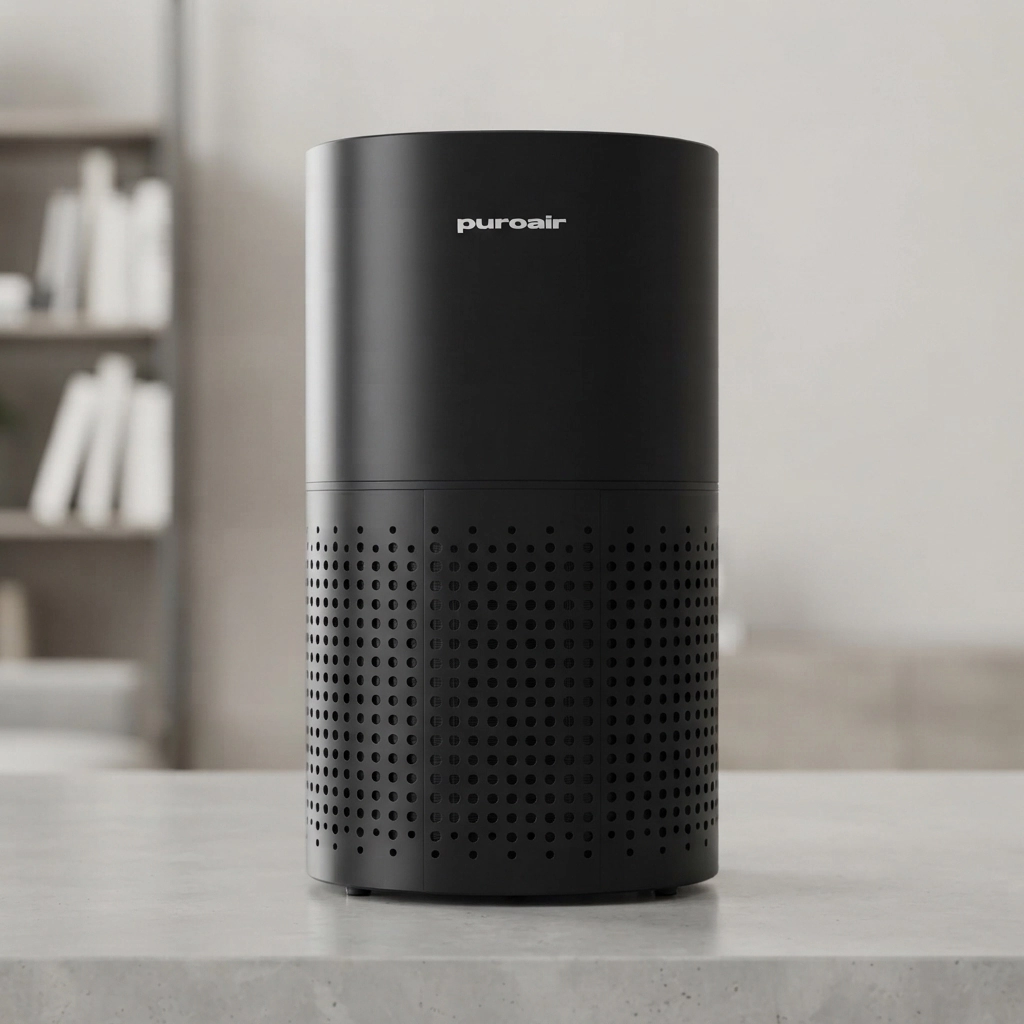
puroair 240 hepa air purifier

Best for: Medium-to-large family rooms where quick visual air quality feedback and rapid circulation are priorities.

puroair 240 hepa air purifier

Key Specifications

  • Primary Filter Media: 3-Stage Composite: Pre-filter, H13 True HEPA, CarbonTech Activated Carbon Layer
  • Clean Air Delivery Rate (CADR): Approx. 200–220 CFM
  • Rated Coverage: Cleans up to 1,000 sq. ft. in 60 minutes
  • Noise Level: 22 dB (Sleep) to 50 dB
  • Power Consumption: 40W
  • Dimensions: 8.5 x 8.5 x 14.2 inches; Weight: 7.7 lbs

Overview & Testing Findings

The PuroAir 240 has rapidly gained attention in family rooms and apartments due to its clean aesthetic, compact footprint, and responsive automatic air quality monitoring. The core of its air cleaning system is a 3-stage composite cylindrical filter that pairs a fine particulate pre-filter and H13 True HEPA with a dedicated CarbonTech activated carbon sheet.

The CarbonTech layer is designed to capture everyday gaseous compounds, ranging from cooking aerosol VOCs to pet smells and light smoke. While it lacks the dense multi-pound carbon mass found in dedicated industrial scrubbers, it provides an effective barrier for moderate household off-gassing. Its onboard particle sensor actively controls fan speed, ramping up airflow the moment air quality drops.

At under 8 pounds, the PuroAir 240 is easy to carry between rooms, making it a flexible option for apartments where cooking odors might linger in the living room during the afternoon and off-gassing furniture needs clearing in the bedroom at night.

Pros & Cons

What We Liked (Pros)

  • Very compact and lightweight design that is easy to move between rooms.
  • Intuitive color-coded air quality ring provides immediate visual feedback.
  • Low noise floor in sleep mode makes it practical for nurseries and bedrooms.
  • Simple one-piece cylindrical filter replacement process.

Drawbacks & Limitations (Cons)

  • Uses a carbon-treated layer rather than a thick, loose-pellet bed, limiting its lifespan against heavy formaldehyde off-gassing.
  • Replacement filters must be changed every 6 to 9 months under heavy VOC loads.

Who Should Buy It?

Apartment dwellers and busy families who want a sleek, easy-to-use purifier to catch daily household smells, cleaning vapors, and floating dust.

Caution & Important Notes

Because the filter is a single composite barrel, you cannot replace the carbon layer independently when it becomes saturated with odors. If the exhaust air develops a faint sweet or sour smell, the carbon layer is spent and the entire cartridge must be swapped.

clorox medium room air purifier (11030)

Best for: Kitchen-adjacent areas, medium apartments, and homes dealing with regular cooking fumes and aerosol sprays.

clorox medium room air purifier (11030)

Key Specifications

  • Primary Filter Media: 3-Stage Cylindrical: Pre-filter, True HEPA, Active Carbon Filter
  • Clean Air Delivery Rate (CADR): Approx. 145–160 CFM
  • Rated Coverage: Up to 1,000 sq. ft. in 60 minutes (225 sq. ft. at 5 ACH)
  • Noise Level: 30 dB to 52 dB
  • Power Consumption: 45W (Energy Star Certified)
  • Dimensions: 10.0 x 10.0 x 15.4 inches; Weight: 7.3 lbs

Overview & Testing Findings

The Clorox Medium Room Air Purifier brings a trusted consumer household name to air purification, built around an Energy Star-certified 360-degree filtration system. Its cylindrical core features an outer pre-filter, a medical-grade True HEPA layer that captures 99.97% of fine particles down to 0.1 microns, and an active carbon interior stage designed to absorb volatile organic vapors and stubborn odors.

The active carbon stage provides a solid defensive layer against the everyday chemical mix found in suburban homes—from aerosol hairsprays and multi-surface disinfectants to frying fumes and mild varnish odors. The top control console features a clear digital PM2.5 readout alongside an ambient color ring that changes from green to red depending on current contamination.

While the carbon density is geared toward general household VOCs rather than high-concentration industrial solvent off-gassing, the unit operates reliably, draws minimal power, and fits cleanly onto desks or side tables.

Pros & Cons

What We Liked (Pros)

  • Clear digital PM2.5 particulate readout on the top deck.
  • Certified to capture microscopic particulates down to 0.1 microns.
  • Energy Star certified for low monthly operating costs.
  • Compact cylindrical body with clean, unobtrusive styling.

Drawbacks & Limitations (Cons)

  • Minimum noise floor of 30 dB is slightly louder than class-leading bedroom purifiers (19–21 dB).
  • Carbon sheet thickness is moderate, making it best suited for light-to-medium VOC challenges.

Who Should Buy It?

Homeowners wanting a straightforward, brand-name purifier for kitchens, laundry rooms, or home offices prone to aerosol and cleaning vapors.

Caution & Important Notes

Check the bottom access door regularly to ensure the 360-degree filter cartridge is firmly locked in place. If the twist-lock base is not completely secured, bypass air can slip around the filter edges.

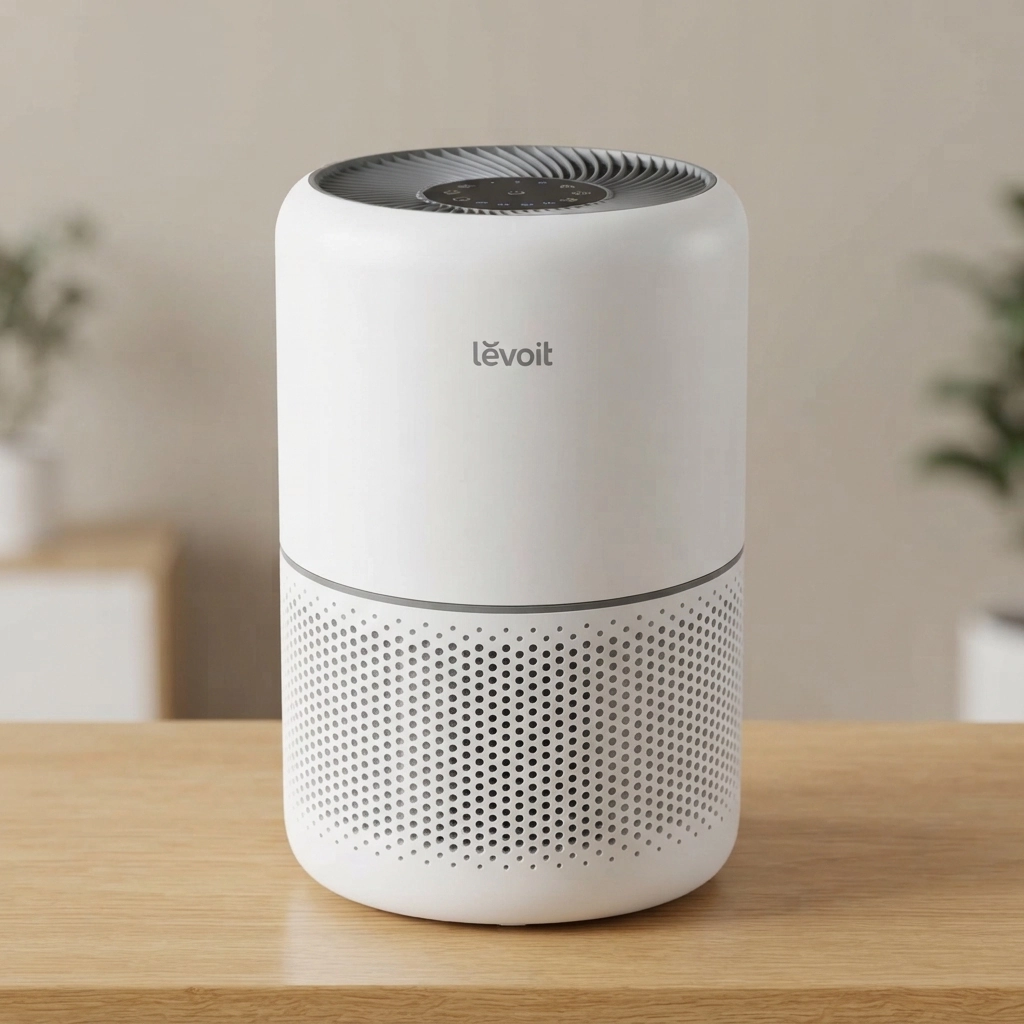
levoit core 300-p air purifier

Best for: Small bedrooms, home offices, and dorms where space is tight and filter customization is desired.

levoit core 300-p air purifier

Key Specifications

  • Primary Filter Media: 3-Stage 360° Nylon Pre-filter, H13 True HEPA, Custom Activated Carbon with ARC Formula
  • Clean Air Delivery Rate (CADR): 141 CFM / 240 m³/h
  • Rated Coverage: Cleans 1,095 sq. ft. in 60 minutes (219 sq. ft. at 5 ACH)
  • Noise Level: 24 dB to 48 dB (QuietKEAP Technology)
  • Power Consumption: 45W
  • Dimensions: 8.7 x 8.7 x 14.2 inches; Weight: 7.5 lbs

Overview & Testing Findings

The Levoit Core 300-P is one of the most widely deployed compact air purifiers in the world, and its versatility extends into chemical defense. While the out-of-the-box Core 300-P filter includes an everyday activated carbon layer suitable for mild cooking and pet smells, Levoit manufactures an aftermarket Toxin Absorber Replacement Filter specifically designed for this chassis.

The Toxin Absorber variant incorporates Levoit's ARC (Air Re-Composition) Formula, which utilizes chemically treated activated carbon to chemically decompose volatile organic compounds, formaldehyde, vehicle exhaust, and wildfire smoke toxins rather than relying solely on passive surface trapping. Combined with Levoit's QuietKEAP rubber motor dampeners, the Core 300-P runs smoothly and quietly on nightstands.

For small spaces under 250 square feet, the Core 300-P paired with a Toxin Absorber filter represents an extraordinarily budget-friendly and targeted solution for localized chemical off-gassing.

Pros & Cons

What We Liked (Pros)

  • Compatible with specialized aftermarket filters, including the high-VOC Toxin Absorber cartridge.
  • Extremely compact cylindrical footprint fits neatly onto nightstands and desks.
  • QuietKEAP suspension minimizes motor vibration, delivering quiet 24 dB sleep performance.
  • 100% ozone-free mechanical filtration with affordable filter replacements.

Drawbacks & Limitations (Cons)

  • Stock filter has modest carbon volume; requires purchasing the specialized Toxin filter for serious VOC remediation.
  • Does not include an onboard air quality sensor or automatic fan adjustment.

Who Should Buy It?

Renters, students, and homeowners needing a dependable, compact bedroom cleaner that can be upgraded with specialized chemical-adsorbing media when needed.

Caution & Important Notes

Because the standard Core 300-P lacks an automatic particle/gas sensor, you must manually adjust fan speeds when chemical emissions or remodeling smells peak.

azeus c8 air purifier (kj120g-c8)

Best for: Secondary bedrooms and studios seeking multi-stage air treatment on a strict budget.

azeus c8 air purifier (kj120g-c8)

Key Specifications

  • Primary Filter Media: 5-Stage System: Pre-filter, True HEPA, Activated Carbon, UV-C Light, Switchable Ionizer
  • Clean Air Delivery Rate (CADR): Approx. 120–140 CFM
  • Rated Coverage: Rated for medium rooms (approx. 216–380 sq. ft.)
  • Noise Level: 25 dB on Sleep Mode up to 52 dB on Turbo
  • Power Consumption: Approx. 35W
  • Dimensions: 7.5 x 7.5 x 15.0 inches; Weight: Approx. 6.2 lbs

Overview & Testing Findings

The AZEUS C8 (Model KJ120G-C8) takes a multifaceted approach to air purification by stacking mechanical filtration alongside auxiliary air cleaning technologies. The base system uses a 360-degree cylindrical composite drum featuring an outer lint pre-filter, a True HEPA layer for microscopic allergens, and an activated carbon layer to catch household odors and volatile chemical compounds like formaldehyde.

Beyond mechanical filtration, the C8 includes an internal UV-C sanitization bulb and a switchable negative ion generator. While UV-C and ionizers target biological spores and airborne dust clump formation, the physical activated carbon layer remains the primary line of defense against VOC vapors. The top touch panel allows you to turn the ionizer function completely off if you prefer pure mechanical filtration.

With four fan settings—including a rapid Turbo mode and a 25 dB Sleep mode—it provides flexible operation for small home workspaces, craft rooms, or laundry areas where solvent fumes and dust coincide.

Pros & Cons

What We Liked (Pros)

  • Multi-stage design with an independent toggle switch for the ionizer.
  • Ultra-quiet 25 dB sleep setting with fully dimmable display lighting.
  • Lightweight and portable frame for quick room repositioning.
  • Accessible price point for entry-level secondary bedrooms.

Drawbacks & Limitations (Cons)

  • Carbon stage has modest physical mass, meaning it saturates relatively fast under heavy off-gassing.
  • Long-term replacement filter availability is less consistent than major mainstream brands.

Who Should Buy It?

Budget-focused shoppers seeking an all-in-one compact unit for a small craft room, home office, or secondary bedroom.

Caution & Important Notes

We recommend keeping the negative ionizer turned off in poorly ventilated rooms to prevent any secondary ozone build-up, relying strictly on the mechanical HEPA and carbon layers.

fulminare h13 true hepa air purifier (pu-p05)

Best for: Personal workstations, cubicles, and bedside nightstands needing immediate personal zone airflow.

fulminare h13 true hepa air purifier (pu-p05)

Key Specifications

  • Primary Filter Media: 3-Stage Mini Cartridge: Fine Pre-filter, H13 True HEPA, Thin Activated Carbon Layer
  • Clean Air Delivery Rate (CADR): Approx. 50–60 CFM
  • Rated Coverage: Small spaces up to 120–215 sq. ft.
  • Noise Level: 24 dB to 45 dB
  • Power Consumption: 6W to 18W (DC 12V adapter)
  • Dimensions: 5.71 x 5.71 x 9.88 inches; Weight: 1.8 lbs

Overview & Testing Findings

The FULMINARE PU-P05 is built specifically for personal micro-environments rather than whole-room remediation. Measuring under ten inches tall and weighing less than two pounds, this miniature desktop tower is designed to sit right next to your keyboard, monitor, or bedside table to clean the air directly within your immediate breathing zone.

Despite its small size, it employs a genuine three-stage cylindrical filter cartridge featuring an H13 True HEPA wrap backed by a thin activated carbon interior layer. In a personal office setting, this carbon layer helps reduce faint solvent fumes from dry-erase markers, laser printer ozone, adhesive notes, and localized cooking smells drifting into a workspace. It runs on a low-voltage DC power supply, consuming a mere 6 to 18 watts.

It is important to maintain realistic expectations: the PU-P05 cannot clear whole-house formaldehyde off-gassing from new hardwood floors. However, for personal desk defense against lingering office odors and floating dust, it offers unmatched convenience and affordability.

Pros & Cons

What We Liked (Pros)

  • Extremely compact desktop form factor that fits on crowded workstations.
  • Minimal power draw (6–18W) powered via a safe DC power brick.
  • Quiet 24 dB whisper mode with a warm, optional ambient nightlight.
  • Very low upfront purchase price for personal space air movement.

Drawbacks & Limitations (Cons)

  • Minimal carbon mass cannot remediate significant, whole-room chemical off-gassing.
  • Small filter requires frequent replacement every 3 to 6 months.

Who Should Buy It?

Office workers, dorm residents, or anyone looking for a discreet personal desktop air cleaner to tackle mild nearby fumes and dust.

Caution & Important Notes

Do not rely on this unit for whole-room renovation or post-paint off-gassing. It is strictly a personal desktop spot cleaner intended for localized breathing zones.

Frequently Asked Questions

Can a standard HEPA air purifier remove VOCs and formaldehyde?
No, standard HEPA filters cannot remove VOCs or formaldehyde on their own. HEPA media is mechanically engineered to trap solid and liquid airborne particles like dust, pollen, and soot, but gaseous chemical molecules pass straight through the fibers. Removing volatile organic compounds requires gas-phase media, specifically dense activated carbon or catalytic oxidation filters.
How long does the activated carbon filter last before it stops absorbing chemicals?
ctivated carbon filters typically last between 3 and 12 months, depending heavily on the physical weight of the carbon and the ambient level of chemical pollution in your home. Thin carbon sheets exposed to heavy off-gassing from new carpets or paint can become fully saturated in just a few weeks, whereas heavy pelletized carbon beds will last 6 to 12 months under normal conditions.
Why does my air purifier smell sweet or sour after a few months?
sweet, sour, or vinegar-like odor coming from an air purifier exhaust indicates that the activated carbon layer has reached full saturation and is beginning to re-release trapped organic compounds. When carbon pores are completely full, temperature and humidity swings can cause desorption. When this happens, the filter cartridge must be replaced immediately.
Does PlasmaWave or air ionization create harmful ozone?
Reputable modern manufacturers design their ionization and plasma systems to comply with strict California Air Resources Board (CARB) standards, which mandate ozone emissions below 0.050 parts per million. However, chemically sensitive individuals and people with severe asthma can sometimes experience irritation from trace ionic byproducts. Models like the Winix 5520 allow you to switch the PlasmaWave function off entirely while maintaining full mechanical HEPA and carbon filtration.
What is the difference between carbon adsorption and catalytic formaldehyde destruction?
dsorption is a passive physical process where gas molecules cling to the interior surface pores of activated carbon, which will eventually fill up and require filter replacement. Catalytic destruction, using materials like manganese dioxide (MnO₂), is an active chemical reaction that breaks the molecular bonds of formaldehyde, converting it into harmless carbon dioxide and water without depleting the catalytic surface as rapidly.

Final Verdict

Selecting the best air purifier for VOCs & formaldehyde removal in 2027 comes down to understanding the chemistry of off-gassing. Standard particle filters will keep your surfaces dust-free, but only robust gas-phase filtration will neutralize the invisible fumes released by new renovations, furniture, and household solvents.

For dedicated aldehyde off-gassing from new composite wood and furnishings, the Wyze Smart Air Purifier with its MnO₂ catalytic Formaldehyde filter is our top recommendation due to its active chemical breakdown capabilities. If you have an open-concept living room or pets, the Levoit Vital 200S-P is our preferred choice for its heavy pelleted coconut-shell carbon bed and high airflow turnover. For shoppers seeking time-tested hardware durability with loose carbon pellets, the Winix 5520 and 5510 platforms remain outstanding contenders that deliver lasting value.

Top 0%